Still Have Back Pain Even After Buying an Expensive Chair? How to Choose the Right Equipment for Your Problem
Still suffering from back pain at work? Stop throwing money at expensive chairs if you haven't fixed your posture first! A breakdown of 5 equipment picks that tackle back pain from 8-hour sitting sessions — including free fixes that don't require buying anything new.
Sound Familiar?
- ✗Back pain in the afternoon
- ✗Lower back pain from long sitting
- ✗Neck and shoulder tension
- ✗General stiffness after prolonged sitting
The Difference You'll Feel
❌ Before
- - Shifting in your seat every few minutes, looking for a position that doesn't ache
- - Losing focus
- - Pain building up a little more each day
- - Trouble getting comfortable enough to fall asleep
✓ After
- - Sitting more comfortably
- - Noticeably better through the afternoon slump
- - Able to work longer stretches without shifting around
- - Finally knowing which piece of equipment actually addresses your specific problem
Not everyone's back pain traces back to the same thing — for some it's the chair, for others it's the mouse or how the feet are positioned. Here's what tends to help, starting with the cheapest, easiest things to try before anything that costs real money.
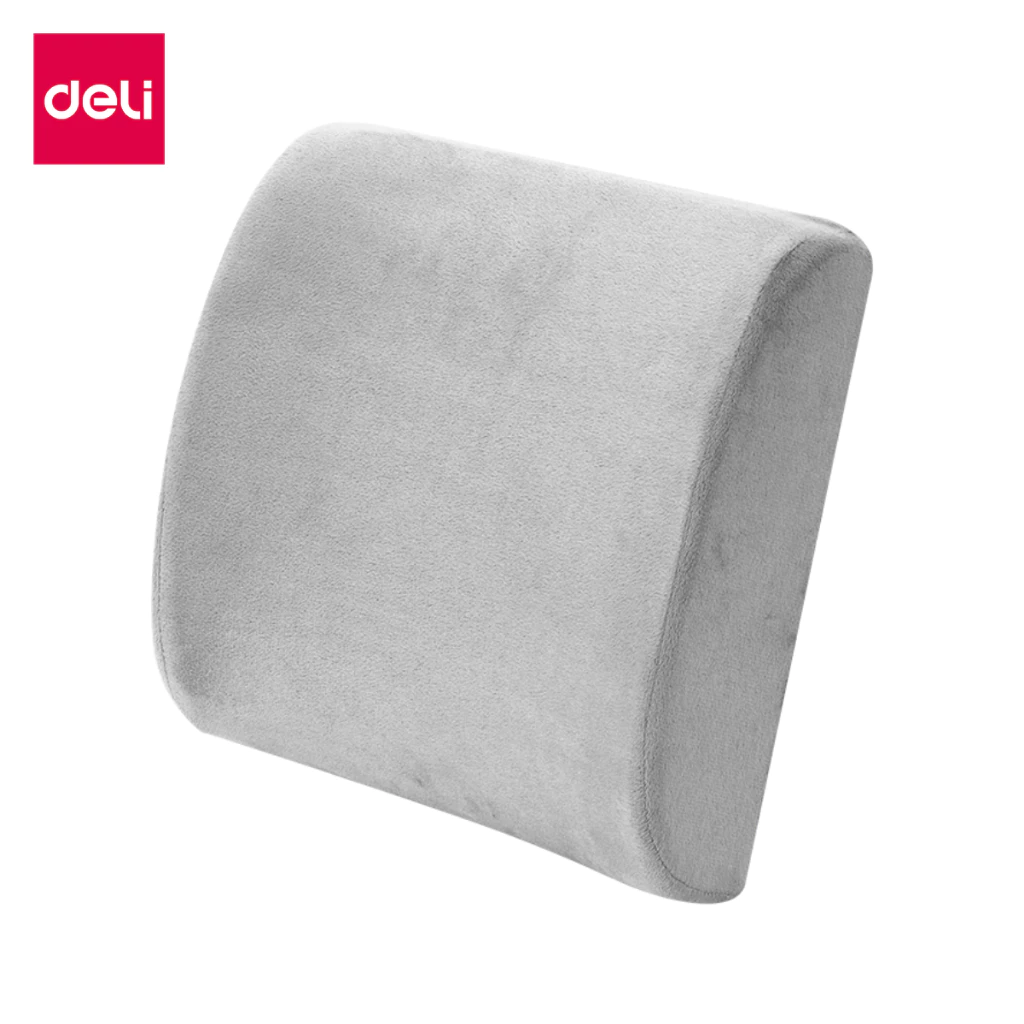
Best for: office workers, WFH users, standard chairs
Lumbar Support Pillow
If you're not ready to replace your chair, a lumbar support pillow is the most cost-effective upgrade. It fills the gap between your lower back and the chair back, giving your lower back something to rest against.

Best for: programmers, designers, anyone using a mouse 4+ hours a day
Vertical Mouse — UGREEN Wireless Ergonomic Mouse M571
If you have pain in your neck, shoulders, and upper back, the actual issue might not be your back at all — it may be how you hold your mouse for hours. A vertical mouse keeps your wrist in a more upright position instead of twisting flat all day (takes a day or two to feel normal).
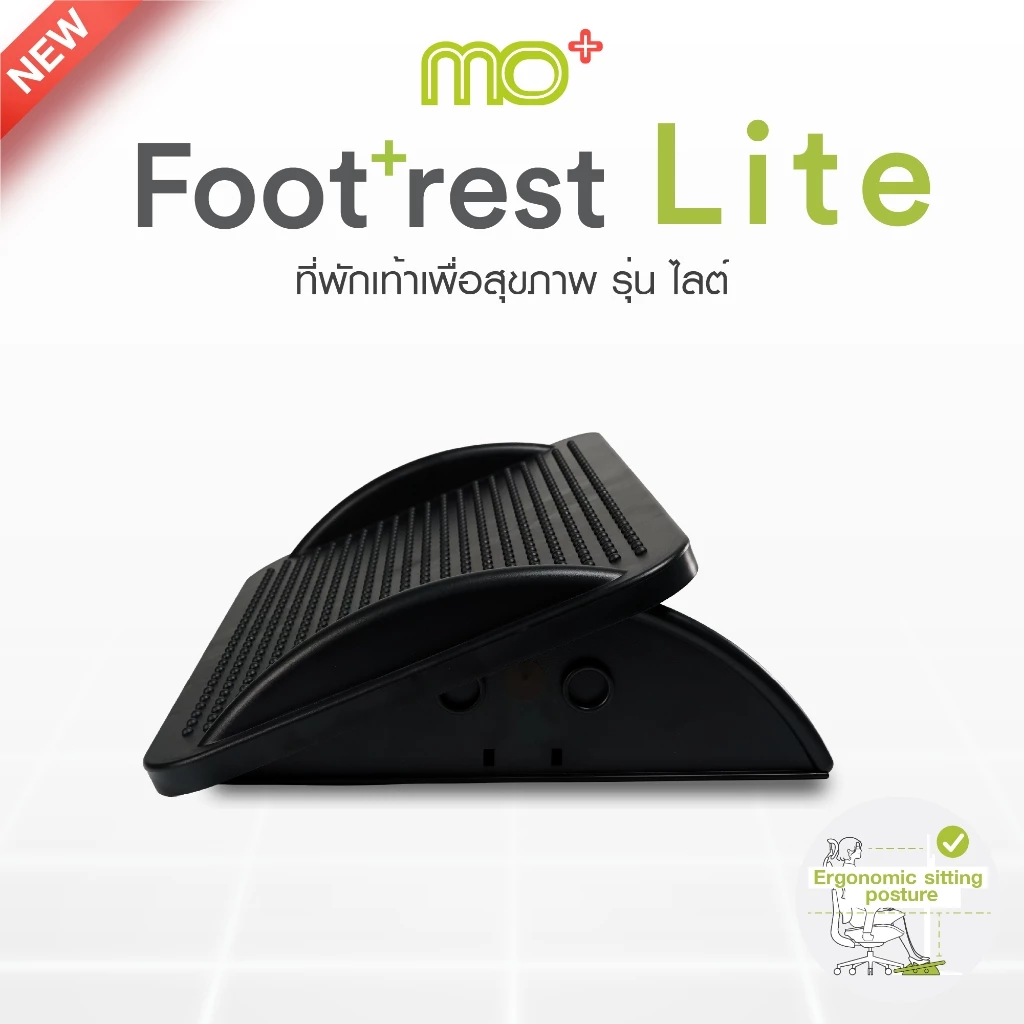
Best for: shorter users, people whose feet don't reach the floor, desks that are too high
Footrest — MO+ Footrest Lite
Many people with smaller frames use standard-height desks, leaving their feet hovering all day. When your feet don't reach the floor, weight shifts onto your thighs and lower back. A footrest fixes that for less than the cost of lunch.
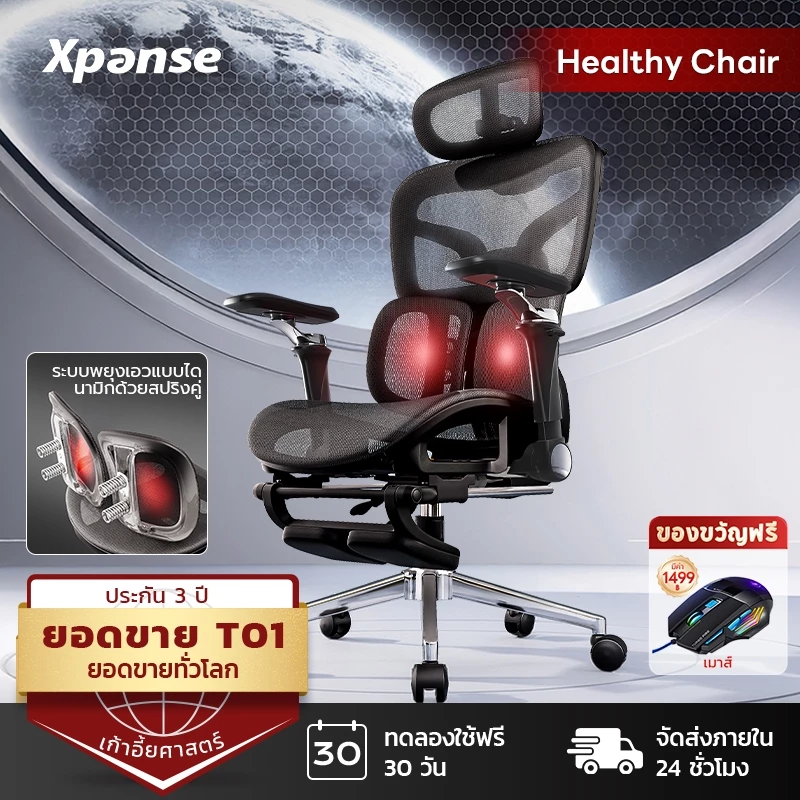
Best for: full-time WFH workers sitting 6–10 hours a day
Ergonomic Chair — Xpanse T9 with Spring Lumbar Support
If you work from home every day, investing in a quality ergonomic chair may pay off in the long run. But it's best chosen after you've already tried adjusting your posture and using basic support accessories.
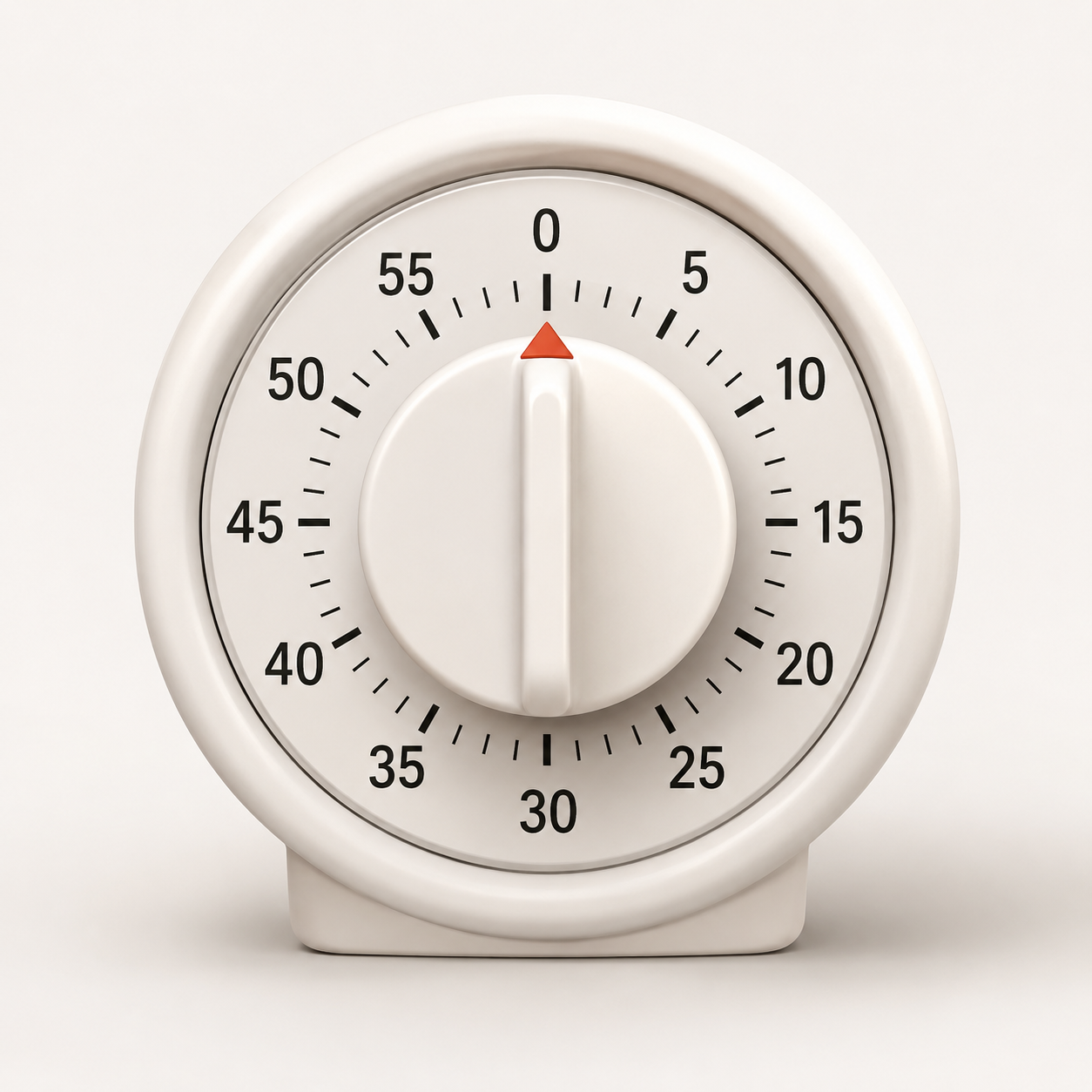
Break Reminder Timer
No piece of equipment replaces actually getting up and moving. A short walk or stretch every 45–60 minutes pairs well with everything else on this list — the built-in timer on your phone works just fine.
Before You Buy Another Chair, Try This First
By mid-afternoon you've probably shifted in your seat five or six times without even noticing, just trying to find a spot that doesn't ache.
A lot of people respond by buying a nicer chair, which is a reasonable instinct. Sometimes it even helps a little. But if the ache is still there a few weeks later, the chair probably wasn't the whole story to begin with.
Why a new chair often isn't enough
At first, a new chair seems like the obvious fix. It rarely is, once you've actually lived with it for a while.
The body was never really built to hold one position for eight hours straight, and even a well-designed chair can't undo hours of poor posture or a desk that doesn't quite fit how you sit.
One quick way to check: sit the way you normally do, then slide a hand behind your lower back. A noticeable gap there is often where things start.
A Few Things Worth Checking
| Observation | What It Might Mean |
|---|---|
| You can slide your hand between your lower back and the chair back | Your lumbar region may not be getting enough support |
| Your heels hover above the floor or don't rest flat | Your sitting position may be off-balance, putting extra load on your lower back |
| You feel neck or shoulder pain after using a mouse or keyboard for a long time | Neck and shoulder muscles may be chronically tense, radiating pain to your upper back |
| After 1–2 hours of sitting you start feeling stiff or numb | Pressure buildup and reduced blood circulation from prolonged sitting |
| Pain gets worse in the afternoon even though you felt fine in the morning | Muscles may be fatiguing from sustained posture over several hours |
Recognizing more than one of these isn't unusual — back pain rarely comes from a single thing.
It's a strange kind of relief, closing a gap you didn't fully notice was there until it's gone.
What tends to help
A cheap lumbar pillow tends to close that gap for less than the cost of dinner out, which is worth trying before anything bigger.
If the shoulders or neck are part of the picture too, it's often the mouse setup, not the chair, that's really behind it.
Standing up, stretching, or a short walk every 45 to 60 minutes still helps as much as anything else here — sometimes more than whatever's sitting on the desk.
Frequently Asked Questions
I bought a new chair but still have back pain — why?
It may come from desk position, sitting posture, or equipment that doesn't fit your body, not the chair itself.
Does a lumbar pillow help with back pain?
It adds support to your lower back, but works best paired with posture adjustments.